THE EMPRESS
L'impératrice
DANIELLE I
Kingdoms
High Queen of AMORICA
Queen of ALBA
Queen of ALT CLUT
Queen of AQUITAINE
Queen of BRITTANY
Queen of CASTILE and LEÓN
Queen of CUMBRIA
Queen of DÁL RIATA
Queen of DUMNONIA
Queen of GWYNEDD
Queen of NORTHUMBRIA
Queen of RHEGED
Queen of RHOS
Queen of RÍ INNSI GALL
Queen of STRATHCLYDE
La Reine d’Amorica, d’ Alba, d’ Alt Clut, d’ Aquitaine, de Brittany, de Dál Riata,
de Dumnonia, de Gwynedd, de Northumbria, de Rheged,
de Rhos, de Rí Innsi Gall, et de Strathclyde
Principalities
Princess of BRO WENED
Princess of CORNOUAILLE
Princess of DUMNONÉE
Princess of POHER
La Princesse de Bro Wened, de Cornouaille, de Domnonée et de Poher
Jarldoms
Jarl of ROSS
Jarl of the SUDREYS
La Jarl de Ross et des Sudreys
Duchies
Duchess of AQUITAINE
Duchess of GASCONY
Duchess of GUELDERS
Duchess of Upper &Lower Guelders
La Duchesse d’Aquitaine, Gascony, et de Guelders
Margraviates
Margrave of Gascony
La Margrave de Gascony
Countships
Countess of Auvergne
Countess of Bigorre
Countess of Comminges
Countess of La Marche
Countess of Limousin
Countess of Périgord
Countess of Poitou
Countess of Saintonge
Countess of Zutphen
Comtesse d’ Angoulême, d’ Astarac, d’ Auvergne, de Bigorre,
de Comminges, de La Marche, de Limoges, de Périgord, de Poitou, et de Saintonge
Viscountships
Viscountess of Béarn
Viscountess of Limoges
Viscountess of Thouars
Viscountess of Turenne
Viscountess of Ventadour
Viscomtesse de Béarn, de Limoges, de Thouars, de Turenne, et de Ventadour
Lordships
Lady of Albret
Lady of Bergerac
Lady of Blaye
Lady of Castillon
Lady of Lewis
La Dame de Albret, de Bergerac, de Blaye, de Castillon, et de Lewis
Manorial Lordships
Lady of Estons
La Dame d’Estons
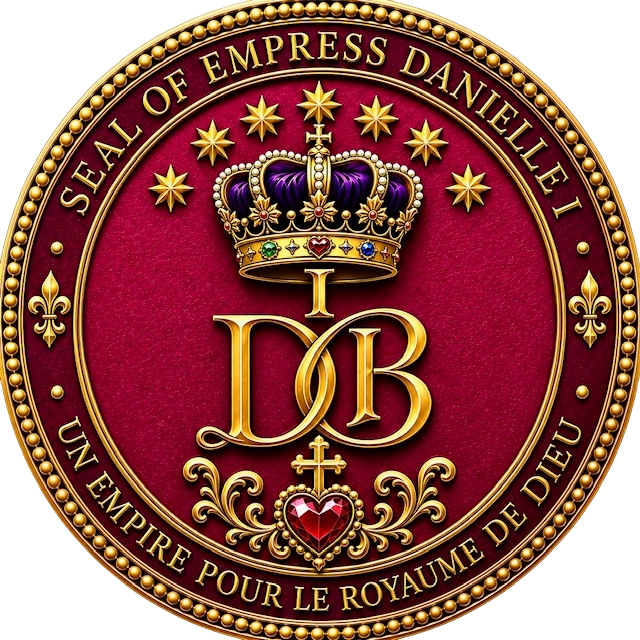
The Seal of Danielle I
The Imperial Cypher of Danielle I
The Imperial Monogram of Danielle I
The High Kings of Amorica were alternatively referred to as Ard Rí na h‑Airmorica “High King of Armorica” in Gaelic, Uchel Frenin Aremorica Welsh for “High King of Armorica”, Brenin Mawr Aremorica “Great King of Armorica”, and Rí Mór Airmorica “Great King of Armorica” thus the Queen of Amorica may use these alternative forms as well.
The Kings of Alba are recorded in Gaelic annals and genealogies as usingRí Alban “King of Alba”, Rí na h‑Alba “King of Scotland”, Rí Albanach “The Alban King”, Ard Rí Alban “High King of Alba”, and Rí na n‑Gáedel“King of the Gaels”, therefore; the Queen of Alba may use these interchangable forms with the exception of Queen of Scotland since there is a current ruler of Scotland, King Charles III of the United Kingdom.
The Kings of Alt Clut were precursors to the Kingdom of Strathclyde and later, Cumbria. They ruled the region from the 5th century- 870 AD. Because Danielle I is Queen of Alt Clut she is also Queen of Strathclyde and Queen of Cumbria since she is a direct descendant of all three on the same territory under different names and may use the titles interchangably. See Kings of Cumbria and Kings of Strathclyde below.
The Kings of Aquitaine were sub-kings to the Frankish Emperor and were therefore addressed as Rex Aquitanorum (King of the Aquitainians), Rex Aquitaniae (King of Aquitiane), Rex Pictavorum (King of the Poitevansa when he was acting on behalf of Poitou), Filius Regis (son of the king), Filius Imperatoris (son of the emperor) in Latin. Not to be confused with the Dukedom of Aquitaine. The Kings of Aquitaine were Carolingian royal sons ruling a sub‑kingdom within the time period 781–877 AD. The Dukes of Aquitaine were hereditary feudal lords ruling a principality from the 10th century.–1453 AD.
The Kings of Brittany were known for using the alternative forms Roue Breiz in old Breton, Roue an Arvor “King of the Coastlands” as referenced by the Armoricans, Roue an Douar “King of the Land” according to bardic usage, andUhel Roue Breizh for “High King of Brittany”. According to Frankish annals, charters, and papal correspondences, the Latin names used were Rex Britanniae Minoris “King of Lesser Britain”, Rex Britanniae “King of Brittany”, Rex Brittonum “King of the Britons”, Princeps Britanniae “Prince of Brittany”, and rarely but attested, Rex Aremoricorum “King of the Armoricans”. Neighboring chonriclers in the Frankish and Carolingian-eras refered to the Kings of Brittany as Britanniae Rex “King of Brittany”, Kuning Brittanien in old Frankish, and Over‑King of the Bretons according to an English chroniclers’ translation of Rex Brittonum. The Queen of Brittany may also use these interchangable forms for this reason.
The Kings of Castile & León were also known as Rey de Castilla (King of Castile), Rey de León (King of León), Rey de Castilla y León (King of Castile and León), Rey de Galicia (King of Galicia), Rey de Toledo (King of Toledo), Rey de Sevilla (King of Seville), Rey de Córdoba (King of Córdoba) , etc. In Arabic they were denoted as Malik Qashtīla (King of Castile) and Malik Li’yūn (King of León).
The Kings of Cumbria ruled the same area as Alt Clut and Strathclyde. See Kings of Alt Clut above. Danielle I reserves the right to use all three titles interchangably.
The Kings of Dál Riata were also known by the following names in early medieval Gaelic sources: Rí Dál Riata “King of Dál Riata” in standard Gaelic, Rí na Dál Riata “King of the Dál Riata people”, Rí Éireann & Alban, Rí Airer Gaedel “King of the Coast of the Gaels”, and Rí na h‑Inse Gall “King of the Isles of the Foreigners” as used later for sea‑kings descended from Dál Riata lines. Latin titles used in annals, church documents, and Irish annals and early ecclesiastical texts were Rex Dalriadae “King of Dál Riata”, Rex Scotorum “King of the Scots” (used before Alba existed as a kingdom), the rare but attested Rex Hiberno‑Scotorum “King of the Irish‑Scots” Princeps Scotorum for “Prince of the Scots”, and Rex Gentis Scotorum “King of the People of the Scots”. Picts named them according to their territorial locations such as King of the Western Scots, King of the Dalriadic Gaels, and Over‑King of the Western Coastlands. Old Norse writers referred to the Kings of Dál Riata as Skota Konungr “King of the Scots”, Konungr Dalriata — Norse rendering of “King of Dál Riata”, and Vestarsæ Konungr “King of the Western Sea”. Anglo-Saxons used Cyning Scottas “King of the Scots”, Cyning Dal Riata, and Cyning Westseaxna Scota “King of the West‑Sea Scots”. Gaelic praise poetry aqnd genealogical recitations refer to them as The Sea‑King of the Gaels, The King of the Western Isles, The High King of the Dalriadic Line, The Stone‑Seat King (referencing Dunadd’s inauguration stone), and The King of the Red‑Sailed Hosts.
The Kings of Dumnonia were called Brenin Dyfneint “King of Dumnonia” in Welsh form, Brenin Kernyw “King of Cornwall” in later form as Dumnonia diminished in size, Uchel Frenin Dyfneint “High King of Dumnonia”, Brenin y Gorllewin “King of the West”, Brenin y Brythoniaid Deheuol “King of the Southern Britons” in Welsh and Cornish. The following titles were used in Latin for the Kings of Dumnonia in annals, charters, and ecclesiastical correspondences: Rex Dumnoniae “King of Dumnonia”, Rex Cornubiae “King of Cornwall”, Rex Brittonum Occidentalium “King of the Western Britons”, Princeps Dumnoniae“Prince of Dumnonia” (used when the kingship was weakened), and Rex Aremoricorum Britanniae Minoris when linking Dumnonia to Armorica. Anglo-Saxons referred to Dumnonian rulers as Cyning Defnas “King of the Devonians”, Cyning Wealas Westseaxna “King of the Western Britons”, and Cyning Cornwalas “King of the Cornish”. The Welsh and Cornish bardic traditions called the Kings of Dumonia The King of the Western Sea‑Cliffs, The Lord of the Red Lands (Cornwall’s mineral wealth), The Crown of the Western Britons, The Stone‑Throne King of the Peninsula, and The King of the Sun‑Set Realm. The Queen of Dumnonia reserves the right to use these titles interchangably.
The most frequently used medieval Welsh and Brittonic titles to refer to the Kings of Gwynedd were Brenin Gwynedd “King of Gwynedd”, Brenin y Gogledd “King of the North” (denoting its northern position), Brenin y Cymry “King of the Welsh”, Uchel Frenin Gwynedd “High King of Gwynedd” Arglwydd Gwynedd “Lord of Gwynedd” (used when the kingship was weakened), Tywysog Gwynedd “Prince of Gwynedd”, and Tywysog y Gogledd “Prince of the North”. The most common Latin titles for Kings of Gwynedd in charters and ecclesiastic6. al documents were Rex Venedotiae “King of Gwynedd”, Rex Northwalliae “King of North Wales”, Rex Brittonum “King of the Britons”, Princeps Venedotiae “Prince of Gwynedd”, Princeps Wallensium “Prince of the Welsh”, and Rex Wallensium “King of the Welsh”. English chronioclers denoted them as Cyning Windelice “King of the Venedotians” (an Old English rendering of Gwynedd), Cyning Wealas Norð “King of the North Welsh”, Cyning Walas “King of the Welsh”, Ealdor of the North Welsh “Leader of the North Welsh”. Norse sagas and annals called the Kings of Gwynedd Konungr Venedota “King of Gwynedd”, Skota Konungr yfir Venedotum “King of the Welsh over Gwynedd”, and Konungr Norðr‑Wales “King of North Wales”. Welsh epithets and genealogical recitations use Brenin y Llewod “King of the Lions” (referencing the royal emblem), Brenin y Gogledd Pell “King of the Far North”, Arglwydd y Mynyddoedd “Lord of the Mountains”, Crown of the Cymry, The Eagle‑King of Snowdonia, The High King of Eryri. Likewise, the Queen of Gwynedd reserves the right to use these varying titles for Queen of Gwynedd.
The Kings of Northumbria were recorded as Cyning Norðanhymbra “King of the Northumbrians”, Cyning Norðhymbra (a variant spelling), Cyning Norðanhymbre “King of Northumbria”, Cyning Eoforwicscir, “King of York” (used for later Viking rulers), and Brytenwealda Norðhymbra “Wide‑ruler of the Northumbrians” in Anglo-Saxon chronicles. Early medieval Britain addressed them as Rex Northanhymbrorum “King of the Northumbrians”, Rex Nordanhymbrorum (a variant spelling), Rex Nordanhymbriae “King of Northumbria”, Rex Eboracensis “King of York” ( for Viking kings of York), Rex Anglorum Septentrionalium “King of the Northern English”, Rex Berniciorum et Deirorum “King of the Bernicians and Deirans” in Latin chronicles, church documents, charters, Bede, papal correspondences. Norse annals, sagas, Heimskringla, and Orkneyinga Saga immortilazed them as Konungr Norðimbralandz “King of Northumbria”, Konungr Jórvík “King of York”, Konungr yfir Norðimbrum “King over the Northumbrians”, and Vestanríkis Konungr “King of the Western Realm”. Brittonic, Celtic, and Welsh poets and chorniclers called them Brenin y Gogledd “King of the North”, Brenin Northymbria Welsh for “King of Northumbria”, and Brenin y Saeson Gogleddol “King of the Northern Saxons”. Early sub-kingdom titles for the Kings of Northumbria before the unification of Bernicia and Deira were Cyning Bernicia “King of Bernicia”, Rex Berniciorum (Latin), Konungr Bernicia (Norse rendering), Cyning Deira “King of Deira”, Rex Deirorum (Latin), and Konungr Deira (in Norse). Later Anglo-Saxon poets and epithepts address the Kings of Northumria as The Northern Bretwalda, The High King of the Humberlands, The Eagle‑King of the North, The Lord of the Northern Marches, and The King of the Two Shores (referring to Bernicia + Deira). Likewise, the Queen of Northumbria reserves the right to use these varying titles of the same.
The Kings of Rhos were referred to by the Britons and Welsh as Brenin Rhos “King of Rhos”, Brenin y Rhoswyr “King of the Men of Rhos”, Arglwydd Rhos “Lord of Rhos”, Tywysog Rhos “Prince of Rhos”, and Uchel Frenin Rhos “High King of Rhos”. In Latin they were referenced in Ecclesiastical and diplomatic texts as Rex Rosensis “King of Rhos”, Princeps Rosensis “Prince of Rhos”, Dominus Rosensis “Lord of Rhos”, and Rex Venedotiae Minoris “King of Lesser Gwynedd”. Anglo-Saxons referred to the Kings of Rhos in Old English as Cyning Rhos “King of Rhos”, Cyning Wealas Rhos “King of the Welsh of Rhos”, and Ealdor Rhos “Leader of Rhos”. Medieval bardic poetry anbd Welsh epipthets and geneological records denote them as Brenin y Gogledd Bach “King of the Little North”, Arglwydd y Creigiau “Lord of the Crags” (due to Rhos’ mountainous regions), The Eagle‑Lord of Rhos (referencing the highlands above Conwy County), and The Stone‑Seat King (referencing hillfort rulership traditions). Additionally, when Rhos was a subordinate region of Gwynedd the Kings of Rhos were naturally addressed differently such as Sub‑King of Gwynedd, Lord of Eastern Gwynedd, Prince of the Rhos Region, and Ruler of the Conwy Coastlands. Therefore, the Queen of Rhos reservesa the right to use the above alternate forms of the same title.
Gaelic and Goidelic annals mention the Kings of Rí Innsi Gall , King of the Isles of the Foreigners, as the grammatical variants Rí na n‑Innse Gall or Rí Innse Gall and additionally as Rí na n‑Eileanan “King of the Isles” in Gaelic, Rí nan Eilean in Scottish Gaelic, Rí na Mara Thiar “King of the Western Sea”, and bardically as Rí nan Gàidheal Muir “King of the Sea‑Gaels”. Norse writers mentioned them in the Orkneyinga Saga as Konungr Suðreyja “King of the Southern Isles” (i.e., Hebrides + Mann), a variant ,Suðreyja Konungr, Konungr yfir Eyjum “King over the Isles”, Vestarsæ Konungr “King of the Western Sea”, and Konungr Mannaeyjar “King of Man” (when Mann was the central identity of the Isles). Irish annals, papal letters, and Scottishj charters denote the Kings of Rí Innsi Gall differntly: Rex Insularum “King of the Isles”, Rex Manniae et Insularum “King of Mann and the Isles”, Rex Insularum Maris Occidentalis “King of the Isles of the Western Sea”, Rex Gentis Nordmannorum Insularum “King of the Norsemen of the Isles”, and Princeps Insularum “Prince of the Isles”. Old English Anglo-Saxon chronicles call themCyning Ylonde “King of the Isles”, Cyning Norðmanna Ealond “King of the Islands of the Northmen”, Cyning Mann “King of Mann”, and Cyning Westseaxna Sæ‑Ealond “King of the Western Sea‑Islands”. Gaelic epiphets, poetry, and genealogical recitations use the following forms: Rí na gCurach Dearg “King of the Red‑Sailed Fleets”, Rí nan Long “King of the Ships”, Ard‑Rí nan Eilean Fada “High King of the Long Isles”, The Sea‑King of the Gaels, The Storm‑Crowned King, and The Lord of the Western Wind‑Roads. When the Isles were under Norway’s control or interacted with Alba the Kings of Rí Innsi Gall the kings were called Over‑King of the Isles, King of the Hebrides, King of Mann and the Hebrides, and Sovereign of the Norse‑Gaelic Isles. While Lord of the Isles was another hisotrically accurate form of the kingship in later years with Scotland, Danielle I does not claim this as it is in use by King Charles III of the UK. She does, however; reserve the right to use other interchangable forms of the the above.
The Kings of Strathclyderuled the same territory as the Kings of Alt Clut and the Kings of Cumbria. See the Kings of Alt Clut above. Danielle I reserves the right to use all three titles interchangably.
The Princes of Aquitaine are not to be confused with the Dukes of Acquitaine as they existed during entirely different time periods. The princes ruled Aquitaine as a sub-kingdom, in effect as junior kings by the emperor’s royal delegation. There they prepared for future rule of the Frankish Empire. The role of the Princes of Aquitaine existed 781–877 AD.
The Princes of Bro Wened also popularly known as Bro Gwened or Vannetais, used several different titles across Breton, Latin, and Frankish sources. Because Bro Wened was alternated its identity as a principality, a petty kingdom, and sometimes a sub‑realm within a larger Breton polity, the rulers of Bro Wened used vastly differing titles. In Brittany, they were referred to in Breton as Roue Gwened “King of Gwened”, Roue Bro Wened “King of the Land of Gwened”, Roue Waroch “King of Waroch’s Land” (after the dynasty of Waroch I & II), Uhel Roue Gwened “High King of Gwened”, Aotrou Gwened “Lord of Gwened”, or the older term, Tiern Gwened “Prince/Lord of Gwened”. Latin references were used in Merovingian and Carolingian annals such as Rex Venetorum “King of the Veneti / Vannetais” in reference to the Veneti peopole, Rex Veneticae “King of Vannetais”, Princeps Veneticae “Prince of Vannetais”, Dux Veneticae “Duke of Vannetais” (used when Frankish overlordship was asserted), and Rex Warochiensium “King of the Warochians” (referring to the Waroch dynasty’s people). Frankish writers adopted the viewpoint that the Kingdom of Bro Wened was semi-independent, therefore; their forms of address reflect that: King of the Vannetais, Prince of the Bretons of Vannes, The Breton King Waroch, The Lord of the Vannetais, and The Chieftain of the Veneti. Breton oral tradition and Amorican epiphets called them Roue an Arvor “King of the Coastlands”, Roue ar Re Waroched “King of the Waroch People” Ard‑Roue Gwened “High King of Gwened”, The Sea‑King of Southern Brittany, and The Lord of the White Shores. When Bro Wened was part of a larger Breton polity after Judicaël’s unification of Brittany, the following forms of address for the Princes of Bro Wened were also used: Sub‑King of Brittany, Prince of Southern Brittany, Lord of the Vannetais under the High King, and Ruler of the Gwenedeg (referring to the principality’sa dialect region). As the Princess of Bro Wened, Danielle I reserves the right to these varying forms of the Princes of Bro Wened.
Because the Principality of Cornouaille shifted between being a petty kingdom, a principality, and later a county, the titles of its rulers also vary by period. Within Brittany they were referred to as Roue Kernev “King of Cornouaille” in Breton, Roue Cornouaille, Roue an Arvor “King of the Coastlands”, Tiern Kernev “Lord/Prince of Cornouaille”, Aotrou Kernev “Lord of Cornouaille”, and Uhel Roue Kernev “High King of Cornouaille”. A hymn to Saint Gwennolé calls its ruler Rivelen “Cornubiæ rector” or “ruler of Cornouaille”. 10th‑century charters refer to them charters and annals in Latin as Uurmaelon comes Cornubiæ “Count of Cornouaille”, Rex Cornubiæ “King of Cornouaille”, Rex Cornugalliae (a variant spelling), Princeps Cornubiæ “Prince of Cornouaille”, Comes Cornubiæ “Count of Cornouaille” (predominantly used after the 9th–10th centuries), Rector Cornubiæ “Ruler of Cornouaille”, and Rex Brittonum Cornubiensium “King of the Cornouaillian Britons”. Frankish and Carolingian descriptions refer to them as King of the Cornouaillais, Prince of the Cornouaillais, The Cornouaille Princeps, The Breton King of Cornouaille, and Lord of the Cornouaille Britons. Armorican epithets and Breton bardic traditions referred to them as Roue an Douar Gwenn “King of the White Land” (a name for the peninsula), The Sea‑King of Kernev, The Lion‑Lord of Cornouaille, The Crown of the Western Britons, and The King of the White Peninsula. As Cornouaille became a county within the Duchy of Brittany, the following titles were used more frequently in feudal and medieval times: Comte de Cornouaille “Count of Cornouaille” (primarially dominant from the 9th century onward), Seigneur de Cornouaille “Lord of Cornouaille”, Prince de Cornouaille (used in genealogical medieval texts), and the Bretonized Comte de Kernev. As the Princess of Cornouaille, Danielle I reserves the right to these varying forms of the Princes of Cornouaille.
The Princes of Domnonée were mentioned in early medieval sources, including the Lives of the Saints and Frankish annals. In Beton and Brythonic forms, they were referred to as Roue Domnonea “King of Domnonée”, Roue Domnonia, Roue an Norzh, “King of the North” (in reference to Domnonée being the northernmost Breton principality in Amorica), Tiern Domnonea “Lord/Prince of Domnonée”, Aotrou Domnonea “Lord of Domnonée”, and Uhel Roue Domnonea “High King of Domnonée”. Domnonée’s rulers were primarially mentioned in Latin annals and ecclesiastical texts early on as princes and later some references transition to Kings of the Bretons. Other Latin references used the early standard title of Princeps Domnoniae “Prince of Domnonée”, Rex Domnoniae “King of Domnonée” Rex Brittonum “King of the Britons” (for powerful rulers like Riothamus), Dominus Domnoniae “Lord of Domnonée”, and Rector Domnoniae “Ruler of Domnonée”. The Frankish viewed Domnonée as a semi-independent Breton polairty the same as other principalities. Merovingian and Frankish chorniclers referred to the Princes of Domnonée as Prince of the Bretons of Domnonée, King of the Domnonian Britons, The Domnonian Princeps, The Breton Lord of Domnonée, and The Chieftain of Domnonée. Breton Bardic tradition addressed them as Roue an Arvor Norzh “King of the Northern Coastlands”, Ard‑Roue Domnonea “High King of Domnonée”, The Sea‑King of the Northern Britons, The Crown of the Channel Britons, and The Lord of the White Shores. WhenDomnonée was part of a larger Breton polarity, they were commonly known as Sub‑King of Brittany, Prince of Northern Brittany, Lord of Domnonée under the High King, and Ruler of the Northern Breton March. As the Princess of Dumnonée, Danielle I reserves the right to these varying forms of the Princes of Dumnonée .
The Princes of Gascony were referred to by multiple titles through different periods and political structures. Danielle I reserves the right to use all forms of these titles. See Dukes of Gascony, Margraves of Gascony, Lords of Gascony, and Counts of Gascony below.
Like Cornouaille, because Poher was sometimes a petty kingdom, sometimes a principality, and later a county‑level lordship, its rulers appear under several different titles in Breton, Latin, and Frankish sources. In Breton / Brythonic Forms (i.e., native Armorican): Roue Poher “King of Poher” (used early on when Poher acted as a kingdom), Roue Bro Poher “King of the Land of Poher”, Tiern Poher “Lord/Prince of Poher”, Aotrou Poher “Lord of Poher”, Uhel Roue Poher “High King of Poher”, and Penn‑Tiern Poher “Chief‑Lord of Poher”. In annals & charters, the common Latin forms were Rex Poucher “King of Poher” (specifically in the Carolingian era), Princeps Poucher “Prince of Poher”, Dominus Poucher “Lord of Poher”, Comes Poucher “Count of Poher” (in the later feudal period), and Rex Brittonum Poucher “King of the Poher Britons”. Frankish and Carolingian descriptions depicted the Princes of Poher as Prince of the Bretons of Poher, King of the Poher Britons, The Poher Princeps, The Breton Lord of Poher, and The Chieftain of Poher, esepcially with the viewpoint of Poher when it was a semi-polarity. Breton bardic tradition addressed them as Roue an Argoat “King of the Forest‑Lands” (in reference to the wooded inlands of Poher), Ard‑Roue Poher “High King of Poher”, The Lord of the Central Hills, The King of the Heartland, The Crown of the Inner Britons. When Poker was subordinate to a larger Breton polarity it was common for others to address the Princes of Poher as Sub‑King of Brittany, Prince of Central Brittany, Lord of Poher under the High King, and Ruler of the Poher Region. As the Princess of Poher, Danielle I reserves the right to these varying forms of the Princes of Poher.
The Jarls of Ross were referred to as the “Mormaer Rois” (Gaelic for an earl), “Iarla Rois”, “ighearna Rois” ( Lord of Ross), “i Tuath Rois” (King of the People of Ross), and “Toísech Rois” (Chief of Ross) in Gaelic. Frequently interchanged with mormaer, the Gaelic equivalent of an earl. In medieval Scotland, the Jarls of Ross were addressed in Latin charters and ecclesiastical documents as “Comes Rossiae” or “Comes de Ross” (Earl of Ross), “Dominus Rossiae”, ( Lord of Ross), and rarely, “Princeps Rossiae” (Prince of Ross). After the 12th centurary in feudal Scotland, they were known by Scots and Anglo-Normans as “Earl of Ross”, “Lord of Ross”, and occassionally, “Count of Ross”. Inhabitants of Moray and the Isles used the Norse forms of “Jarl of Ross” and “Herra af Ross” (Lord of Ross) in sagas. Bardic and Gaelic epithets describe the Jarls of Ross uisng “Tighearna nan Garbh‑chrìoch” (Lord of the Rough Bounds) as a nod to Ross’s rugged terrain, “Fear Rois” (Man of Ross), and “Ceannard nan Gàidheal Tuath” (Chief of the Northern Gaels). Since Danielle I is the Jarl of Ross, she reserves the right to any of these interchangable forms of the Jarls of Ross so long as such a title is not in current use .
The Jarls of the Sudreys (Norse for “Southern Isles of Hebrides and the Isle of Man”) used several titles over the centuries, depending upon the period, language, and political circumstances at the time. The most popular form of address was “King of Man and the Isles” (Rex Manniae et Insularum in Latin and Konungr Manna ok Suöreyja “King of the men of Man and the Southern Isles”) as used by Godred Crovan and his dynastical descendants. Once the Norse kingdom began to decline, the rulers were known as “Kings of the Isles” or “Rex Insularum” in Latin. The Sudreys was a Scandinavian geographical term distinguishing the Southern Isles from the Northern Isles of Shetland and Orkney. The Norse referred to them as the “Kings of Sudreys” and “Konungr Suöreyja”. Since Danielle I is the Jarl of the Sudreys, she reserves the right to any of these interchangable forms of the Jarls of the Sudreys so long as such a title is not in current use.
The rulers of the Duchy of Aquitaine used a plethora of titles over time because Aquitaine’s borders and political status changed exponentially from the early Middle Ages to the Plantagenet Period. The “Duke of Aquitaine”, or “Dux Aquitaniae” in Latin, and “Duc d’Aquitaine” in French were the most common. During the early Medieval Period, “Duke of the Aquitanians” and “Dux Aquitanorum” in Latin were used to refer to the people of Aquitaine rather than the territory. The Duchy of Gascony united with Aquitaine therefore the rulers of Aquitaine often claimed authority over both regions and referred to themselves not only as the Dukes of Aquitaine but also the “Dukes of Gascony” or “Dux Vasconiae” in Latin. In the early Merovingian and Carolingian Periods, some of Aquitaine’s rulers were associated with broader Romanized regional authority and used “Dukes of the Romans”, although not common place for later dukes. Since Danielle I is the Duchess of Aquitaine, she reserves the right to use these interchanging forms of the Duchy of Aquitaine.
The Dukes of Gasconywere primarially referred to as Dux Wasconiae in Latin and Duc de Gascogne in French. They were also known as Dux Vasconum in Latin (Dukes of the Basques), Duc de Gasconha in Occitan and even Prince de Gasconha (Prince of Gascony) in literature. At different time periods the Dukjes of Gascony were known as Lords of Gascony, Counts of Gascony, Margraves of Gascony, and Princes of Gascony. See those titles below. Danielle I reserves the right to use all forms of these titles in their many forms.
The Dukes of Guelders were also known as Dux Gelriae in Latin and used Dukes of Guelders as their main title consistently since 1339 when it was elevated from a country to a duchy. Hertog van Gelre in Dutch and Duc de Gueldre in French were also direct translations and forms of address for the dukes. Before 1339, the Dukes of Guelders were addressed as Counts of Guelders, Comes Gelriae in Latin, and Graaf van Gelre in Dutch. These two titles were the same office used interchangably during alternate time periods. Danielle I reserves the right to use all forms of the titles. See Counts of Guelders, Lord of Guelders, and Duke of Upper and Lower Guelders below.
The Dukes of Upper and Lower Guelders or Dux Superioris et Inferioris Gelriae in LAtin, was used after the duchy was divided into quarters (Nijmegen, Zutphen, Veluwe, Roermond, reseepctively). Danielle I reserves the right to use all forms of these titles. See Counts of Guelders, Lords of Guelders, Nijmegen, Zutphen, Veluwe, and Roermond below.
The Margraves of Gascony were referred to by various titles through extensive time periods and polticial climates. Danielle I reserves the right to use all forms of the titles. See Dukes of Gascony, Princes of Gascony, Counts of Gascony, and Lords of Gascony.
The Counts ofAngoulême
The Counts ofAstarac
The Counts of Auvergne
The Counts of Bigorre
The Counts of Comminges
The Counts of La Marche
The Counts of Limousin
The Counts of Périgord
The Counts of Poitou
The Counts of Saintonge
The Counts of Zutphen, also known as Comes Zutphaniae in Latin or Graaf van Zutphen in Dutch, were intricately conneccted to the Dukes of Guelders and Count of Guekders. In fact, The Dukes of Guelders always held Zutphen as a secondary title. It was effectively part of the Guelders patrimony. See the Count sof Guelders, Lord of Nijmegen, Lords of Veluwe, and Lords of Guelders, Dukes of Upper & Lower Guelders, and the Dukes of Guelders above.
Viscounts of Béarn
Viscounts of Limoges
Viscounts of Thouars
Viscounts of Turenne
Viscounts of Ventadour — extinct 1793
Lordship of Albret — extinct when merged into the French crown (1572)
Lordship of Bergerac — extinct after Capetian consolidation
Lordship of Blaye — extinct after English defeat in 1453
Lordship of Castillon — extinct after the Hundred Years’ War
The Lords of Gascony were referred to as a plethora of other titles through differing time periods and poltical climates including Dukes of Gascony, Princes of Gascony, Counts of Gascony, and Margraves of Gascony. Danielle I reserves the right to use all forms of these titles. See Dukes of Gascony, Princes of Gascony, Counts of Gascony, and Margraves of Gascony above.
The Lords of Guelders were also referred to as Dominus Gelriae in Dutch in charters, especially before the comital elevation. Danielle I reserves the right to use all forms interchangably. See Lords of Nijmegen, Lords of Veluwe, Lords of Upper & Lower Guelders, Duke of Guelders, and Count of Guelders.
Lordship of Lewis
The Lords of Nijmegen were also known as Dominus Noviomagi in Dutch. It is intricately connected to the Lordship of Veluwe, and Lordship of Guelders. See Lordship of Veluwe below and Lordship of Guelders, Count of Upper & Lower Guelders, and Count of Guelders above. Danielle I reserves the right to use all forms of these titles.
The Lords of Veluwe or Dominus Veluae in Latin, were intricately connected to the Lords of Nijmegen, Lords of Guelders, Count of Upper & Lower Fguelders, Count of Guelders, and Duke of Guelders. The Veluwe was a major sub‑territory of Guelders. See those titles above. Often included in extended titulature. Danielle I reserves the right to use all forms of these titles.
The Lordship of Estons is alternatively known and written as Eston, located in Bedfordshire County in England.
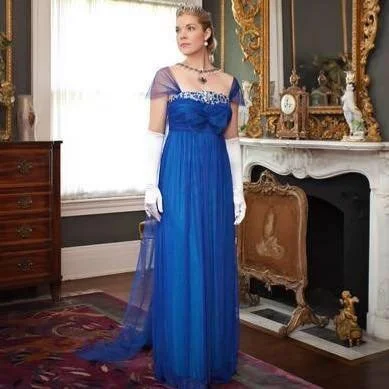
Empress Danielle I
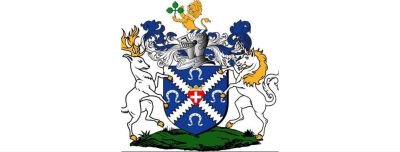
Danielle I, Empress of the Bienvenu Empire, was born 19 July 1986 to Cathy Ann Howard and Rev. Richard Paul Bienvenu Sr. Her Imperial Majesty (H.I.M.) is the only child of her mother and the youngest and only daughter of her father. For her eighteenth birthday, H.I.M. received her personal coat of arms registered with the Armorial de France et d’Europefrom the Herald of France, Frédéric Luz, who would later become Prince Frédéric d’Arucanie et de Patagonie of the Mapuche in Peru.
Inspired by a previous family holiday to Europe, she decided to return to her family’s roots in the United Kingdom. In doing so she received her first title in 2014: Lady of Estons. H.I.M. pursued a Master’s degree in International Law & International Relations with emphasis on Human Rights, specifically that of women and Indigenous peoples from Oxford Brookes University in her second home, England. In collaboration with royals from Africa and Europe, the then Lady Danielle deliberated education initiatives in rural African communities in 2016 and later analyzed European economic systems in 2020.
Danielle I is as unique as her unprecedented Empire:
She is an Empress Regnant— a sovereign who rules by her own authority, not through marriage.
Along with establishing a female-founded imperial house, H.I.M. chose another uncommon path: matrileaneal succession, meaning succession follows a matriarchal hereditary line, with the Empress as the central figure of authority and continuity.
In kind with firsts, Empress Danielle I is an openly disabled ruler who champions accessibility, inclusion, and disability rights and she is the only openly Hard of Hearing sovereign. She communicates using a blend of American Sign Langauge (ASL) with Signed Exact English (SEE) sign language, as well as multiple spoken languages and wears hearing aids, setting a global example for inclusive leadership.
At thirty-nine years old, the Empress is one of the youngest reigning monarchs of recent centuries, shaping a forward‑looking and dynamic imperial identity.
Additionally, Danielle I is only the third American-born ruler in history, reflecting a new and unprecedented epoch.
On 16 April 2026, with Imperial sashes complete, Danielle I declared the Bienvenu Empire as a titular monarchy de jure, based on cultural stewardship, service, and direct descendent from a plethora of royal houses, effectively creating a new empire for a new era.
By definition, an empire is a large political unit or territory made up of several different countries, regions, or peoples under a single, dominant central authority and it certainly fits. Danielle I is not claiming territorial sovereingty that exists over the present-day locations of these territories. Said cultural regions include the ancient kingdoms of Amorica, Alba, Brittany, Castile & León, Cumbria, Dál Riata, Dumnonia, Gwynedd, Northumbria, Rheged, Rhos, Rí Innsi Gall, and Strathclyde. Principalities include: Bro Wened, Cornouaille, Dumnonée, and Poher. In addition, the Empire encompasses the jarldoms of Ross and the Sudreys, the duchies of Aquitaine and Guelders, and the lordships of Lewis and Estons. For a detailed lineage, visit here.
The Empress currently promotes charities as a Dame of the Knights of the Royal Oak, originally founded by Charles II of England in 1660; as well as spearheading the Bienvenu Foundation and its Living Water and Crowned in Dignity outreaches. She is also a proud advocate for human rights, predominately those of disabled persons, Indigenous peoples, and against the abuse of women and children. Danielle I has two daughters and heirs in the line of succession. In 2022 she gave birth to Crown Princess Geneviéve and she gave birth to Princess Isabella in 2025. She lives with her daughters, Great Pyrenees, and cat Oxford at the Bienvenu Manor in Texas.
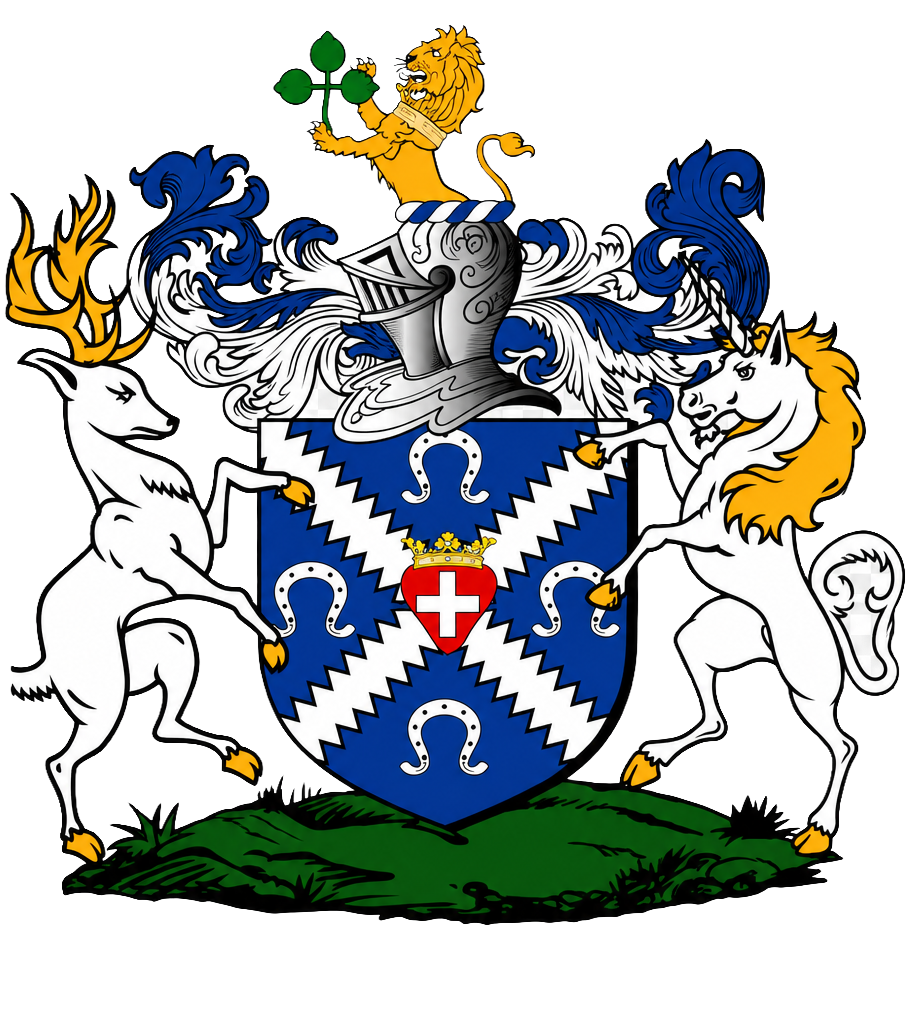
The Personalized Coat of Arms of Danielle Before Accession as Recorded in the Armorial de France et d’Europe 2004